
12th November 2024
By Sophie Foster, M.Eng
Staff Surveyor/Naval Architect
When it comes to vessel operations, stability plays a critical role in ensuring the safety and reliability of vessels. Whether for commercial, recreational, or specialized vessels, a comprehensive understanding of stability is essential for both vessel owners and operators. In this post, we’ll explore the concepts of vessel stability, discuss the difference between a lightship survey and an inclining experiment, explain what a stability booklet is and why it’s important, and take a closer look at ISO 12217 stability assessments.
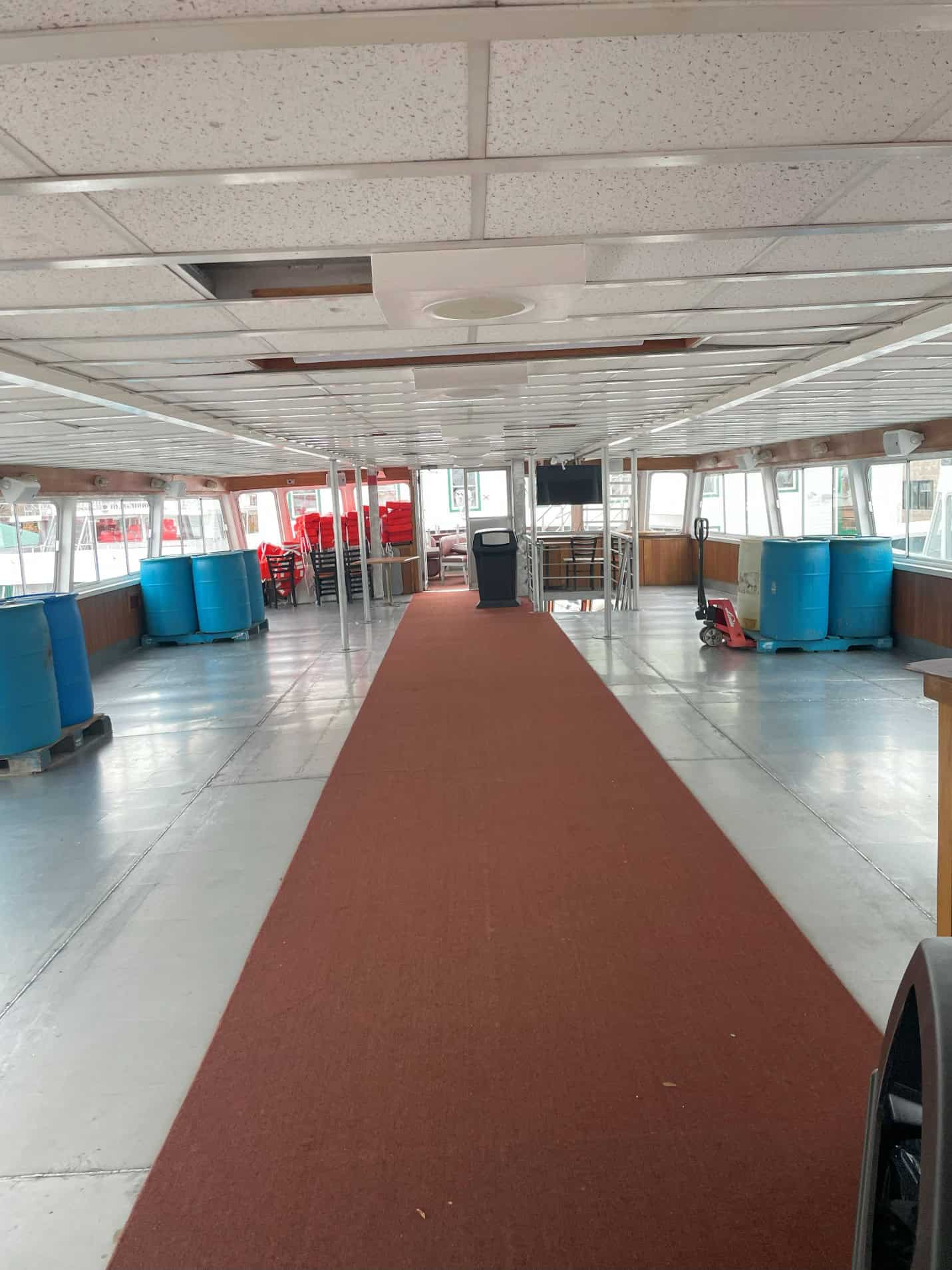
Vessel stability is all about the vessel’s ability to remain upright and recover from tilting due to wind, waves, cargo or passenger shifts, or other external forces. Adequate stability ensures that the vessel can operate safely in varying conditions without capsizing or rolling excessively. Stability calculations help determine the vessel’s behavior at sea, and assessing stability is essential for any vessel that operates in open water.
2. Lightship Survey vs. Inclining Experiment: Understanding the Difference
Two primary assessments help establish the stability characteristics of a vessel: the lightship survey and the inclining experiment. Although both serve to inform stability calculations, they differ in methodology and purpose.
- Lightship Survey: A lightship survey measures the weight and center of gravity of a vessel in its lightship condition, which means it is without fuel, cargo, passengers, crew, or any variable weights. This survey essentially provides the “empty weight” of the vessel and is used to determine baseline data needed for stability calculations. A lightship survey is often conducted at specific intervals to account for changes due to modifications, repairs, or wear and tear that may affect weight distribution over time. It’s typically required whenever a vessel undergoes significant structural changes, or on a set schedule as part of its regular maintenance and compliance checks.
- Inclining Experiment: An inclining experiment is a more detailed assessment that measures the vessel’s stability characteristics by calculating its center of gravity and metacentric height (GM), both of which are critical indicators of stability. During the inclining experiment, a known weight is moved across the deck, and the resulting tilt or “incline” is measured to assess the vessel’s ability to return to an upright position. This experiment provides data needed for safe loading, operation, and stability under various conditions. An inclining experiment is often required after major alterations to a vessel or as a part of regulatory requirements, especially for larger commercial vessels and passenger vessels.
In short, a lightship survey gives an accurate measure of the vessel’s base weight and distribution, while the inclining experiment provides the data required to confirm and fine-tune its stability.
Once stability assessments are conducted, the information is compiled into a stability booklet. This booklet is essential for the vessel’s captain and crew, as it provides clear guidance on safe loading and operational limits to maintain stability in various conditions.
A stability booklet typically includes:
- The vessel’s displacement and center of gravity information.
- Maximum allowable load and guidelines for safe loading and unloading.
- Instructions on how to handle weight distribution, ballast, and fuel loads.
- Stability curves and calculations against applicable stability criteria for different loading conditions – at a minimum arrival (light load) condition and departure (full load) condition.

The stability booklet is a critical safety document and may be required by regulatory authorities like Transport Canada or classification societies if part of the DSIP program. It is often updated after a lightship survey or inclining experiment to ensure it reflects any changes to the vessel’s stability characteristics.
4. ISO 12217 Stability Assessments: Ensuring Stability for Small Craft
ISO 12217 is an internationally recognized standard that establishes stability requirements for small craft, including recreational boats up to 24 meters in length. This standard categorizes vessels based on intended use and weather conditions, helping manufacturers and owners verify that their craft meet stability and buoyancy standards.
ISO 12217 stability assessments provide:
- Categorization of stability based on vessel size, weight, and intended operating environment.
- Detailed testing procedures for different sea conditions and loading scenarios.
- Recommendations on safe operating practices, particularly for small craft that may be more vulnerable to instability in rough weather.
For owners of small vessels, an ISO 12217 stability assessment can ensure that their boat is designed and operated within safe limits, reducing the risk of capsizing and improving overall safety on the water.
When Are Stability Assessments Required?
Stability assessments are generally required when:
- A vessel is being built or commissioned for the first time.
- Modifications are made that could affect the vessel’s weight or center of gravity.
- Regulatory inspections are due, often based on statutory requirements from authorities like Transport Canada.
- It’s necessary to confirm compliance with ISO 12217 standards (for small craft) or similar regulations.
Staying up-to-date with stability assessments not only ensures compliance but also enhances the safety of crew, passengers, and cargo, reducing the risk of incidents at sea.
Conclusion
Vessel stability is a cornerstone of marine safety, and understanding the importance of lightship surveys, inclining experiments, stability booklets, and ISO 12217 stability assessments is key for vessel owners and operators. By ensuring that vessels meet stability requirements, marine professionals can provide safer operations and demonstrate compliance with critical regulations.
For more guidance on stability assessments or to schedule a stability evaluation, feel free to reach out to us at Marine Surveys Canada. We’re here to help ensure your vessel meets the highest safety standards.
.